


How Is Bioenergy Utilized?
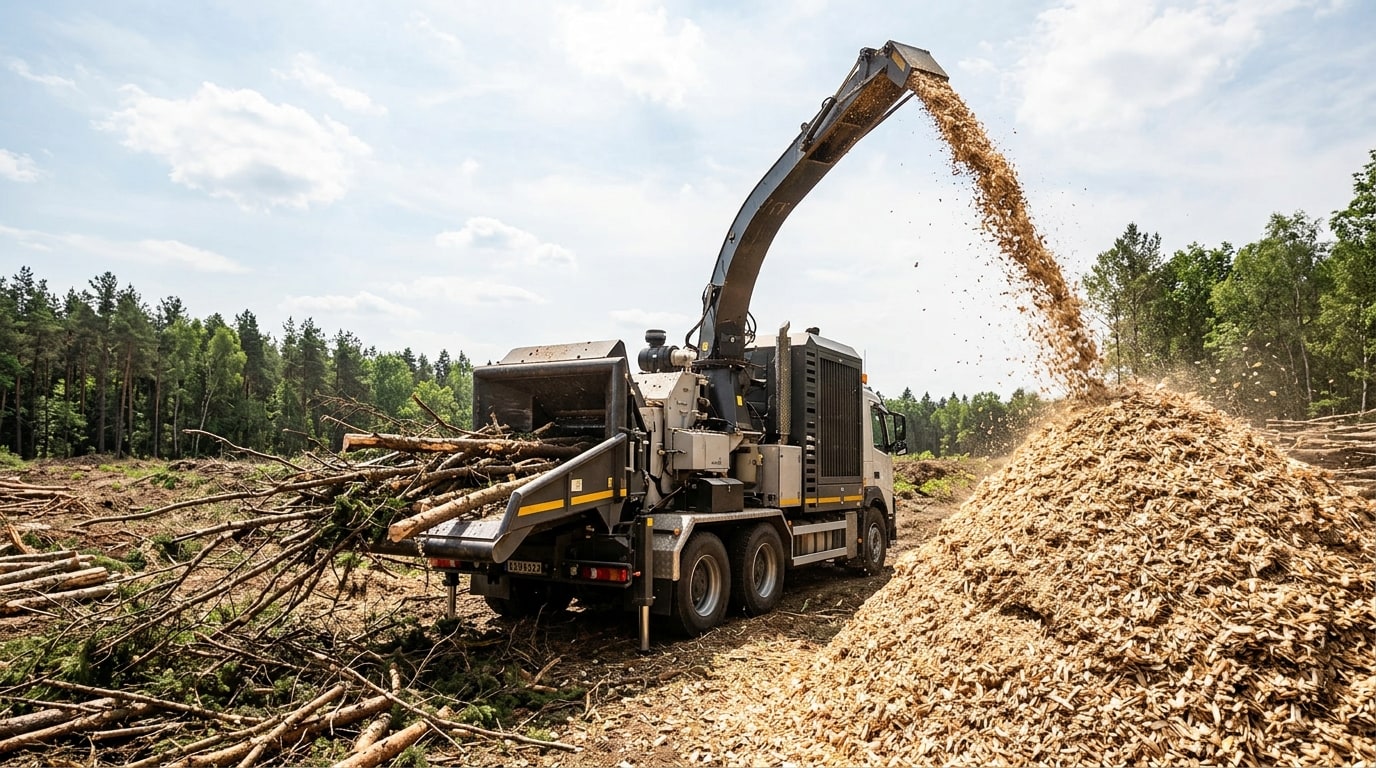
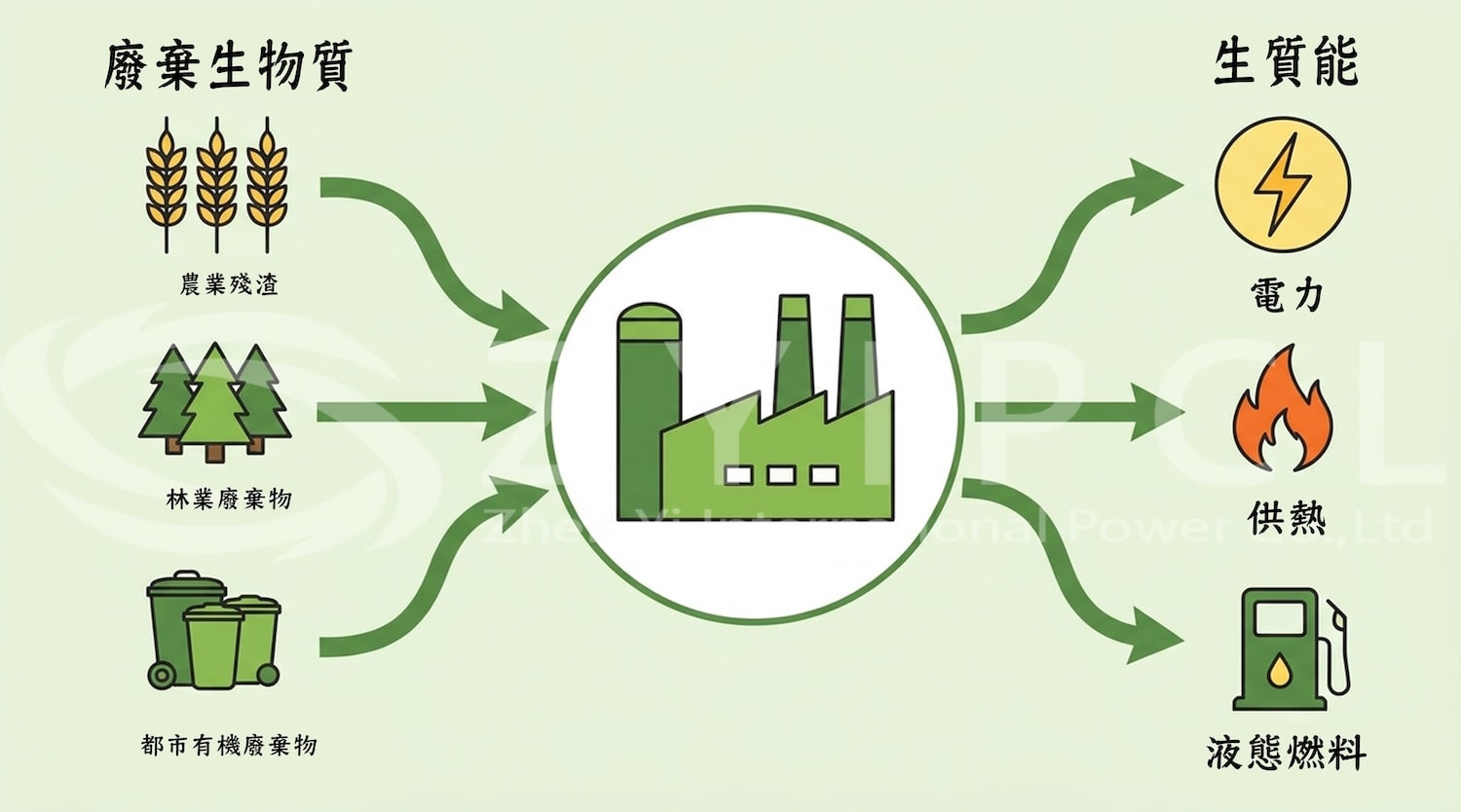
Bioenergy has a wide range of applications. Depending on the type of feedstock and conversion technology, it can be transformed into different forms of energy, generally classified into three categories: liquid, gaseous, and solid. Each category offers unique applications and advantages.
Liquid Bioenergy
Liquid bioenergy is primarily used as fuel and is mainly divided into bioethanol and biodiesel:
- Bioethanol: Produced from feedstocks such as sugarcane, corn, rice straw, and miscanthus. It can partially replace liquid fossil fuels. With proper blending ratios, it can be mixed with gasoline without engine modification. In Taiwan, universities actively conduct research on miscanthus-based bioenergy. In addition, 13 fueling stations in Taipei and Kaohsiung provide bioethanol-blended gasoline for public vehicles.
- Biodiesel: Produced from vegetable oils and used cooking oil. It can be directly used in diesel engines. Although its calorific value is slightly lower than petroleum diesel, it significantly reduces particulate matter and carbon monoxide emissions, making it highly effective in reducing environmental pollution.
Gaseous Bioenergy
Gaseous bioenergy is produced using organic materials such as food waste and livestock manure. Through anaerobic digestion, biogas is generated and then purified into methane for energy use.
- Clean Energy: Biogas has a higher calorific value than conventional gas, with a simple composition and clean combustion characteristics, meeting clean energy standards.
- Continuous Power Supply: Biogas systems provide stable and reliable energy, primarily used in biogas power plants to deliver continuous electricity and heat output.
Solid Bioenergy
Solid bioenergy comes from diverse waste resources, focusing on circular economy and resource recycling. It mainly uses municipal solid waste, agricultural and forestry residues, and industrial waste paper pulp, which are processed into biomass pellet fuels through advanced technology.
- On-site Deployment: Solid bioenergy systems offer high flexibility and can be installed at waste generation sites with combustion boilers, directly producing heat or electricity. This creates an energy-efficient cogeneration system while reducing operational costs.
- Cogeneration Systems: Solid bioenergy can be integrated with cogeneration (CHP) facilities in collaboration with Jen Yi International Power Solutions, equipped with Japanese-made steam turbine systems. This not only reduces or replaces the load of traditional incineration plants but also improves air quality, enhances waste treatment efficiency, and achieves both environmental and energy benefits.