


Differences Between Diesel, Heavy Fuel Oil, and Natural Gas Generators
A Quick Comparison Guide
In industrial power supply, backup systems, and long-duration generation applications, diesel generators, heavy fuel oil (HFO) generators, and natural gas generators are the three most commonly used power generation solutions.
Each fuel type differs significantly in fuel cost, operating characteristics, maintenance requirements, emissions, and suitable applications. Selecting the right system not only affects operational stability but also directly impacts long-term operating costs and energy efficiency.
This article provides a quick overview of their key differences and applications.
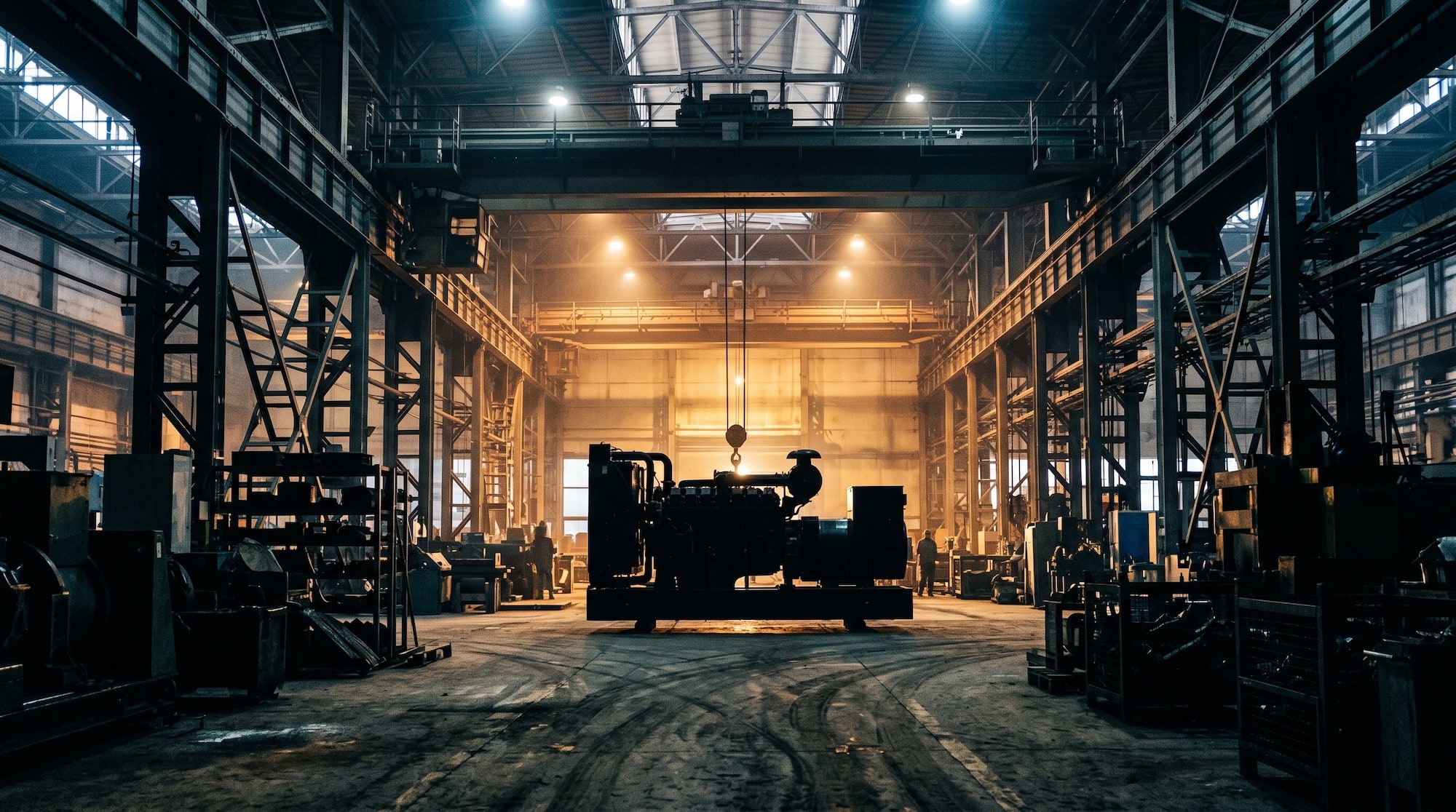
Core Equipment: Diesel Generators – The Most Widely Used Solution
Diesel generators are currently the most common and widely applied industrial power generation equipment.
They are characterized by fast startup, stable output, and high durability, making them ideal for backup power and medium-to-large industrial applications.
Thanks to easy fuel availability and mature technology, diesel generators are widely used in:
- Backup power & construction: factories, construction sites, temporary projects.
- Commercial & critical facilities: commercial buildings, hospitals, data centers.
- Projects & overseas applications: international engineering projects.
The key advantage of diesel generators is rapid response.
In the event of a power outage, they can typically start and restore power within a short time, making them ideal for emergency backup applications.
They also have strong load-handling capability, making them suitable for high inrush currents from industrial equipment, ensuring stable operation.
However, compared to natural gas generators, diesel units generally produce higher noise, vibration, and emissions. Long-term operation also results in higher fuel costs.
Core Equipment: Heavy Fuel Oil Generators – Designed for Long-Term Base Load Operation
Heavy fuel oil generators use HFO as fuel and are commonly applied in large industrial facilities, ships, power plants, and continuous base-load power systems.
Compared with diesel, HFO is typically more cost-effective, making it suitable for long-duration continuous operation and reducing overall fuel expenses.
Key applications include:
- Continuous long-term operation / high-load base power supply.
- Large-scale power demand systems.
Industrial plants, mining operations, offshore and overseas power projects, ships, and other long-term standalone power applications.
However, HFO systems require more complex fuel handling, including fuel heating systems, circulation systems, and fuel treatment equipment. They also involve larger equipment size and higher maintenance requirements, making them more suitable for facilities with professional operation teams.
Core Equipment: Natural Gas Generators – Energy Transition & Low-Carbon Solution
Natural gas generators have become an increasingly important solution for energy efficiency and carbon reduction. Compared with diesel and HFO systems, they offer lower emissions, lower noise levels, and higher combustion efficiency, making them compliant with modern environmental regulations.
They are commonly used in Combined Heat and Power (CHP) systems and other fixed long-term power applications.
Their main advantage lies in energy efficiency and environmental performance. When integrated with CHP systems, waste heat can be recovered for steam, hot water, and process heating, significantly improving overall energy utilization.
However, natural gas generators require a stable gas supply, making them suitable for fixed installations rather than mobile or remote applications.
Specification Comparison: Advantages and Disadvantages Overview
To help procurement teams quickly evaluate their options, the advantages, disadvantages, and technical characteristics of the three generator types are summarized below:
| Generator Type | Advantages | Disadvantages |
| Diesel Generator |
|
|
| Heavy Fuel Oil Generator |
|
|
| Natural Gas Generator |
|
|
Procurement Guide: Selecting the Right System Based on Application
Different industries and use cases call for different generator systems.
When to choose Diesel Generators:
- Requires fast backup power response.
- Construction sites or temporary/mobile power needs.
- Small to medium industrial facilities with balanced budget and maintenance considerations.
When to choose Heavy Fuel Oil Generators:
- Long-duration continuous power supply or base-load operation.
- Large industrial facilities with fuel cost optimization requirements.
- Sites with professional maintenance teams.
When to choose Natural Gas Generators:
- Companies focused on ESG and carbon reduction.
- Facilities with stable natural gas supply infrastructure.
- Fixed installations with CHP and waste heat recovery systems.
Expert Recommendation: Systematic Evaluation for Optimal Design
Generator selection is not simply based on higher capacity. It requires comprehensive evaluation across seven key factors: power demand, starting load, operating hours, fuel availability, maintenance capability, budget, and environmental requirements.
Incorrect selection may result in higher fuel consumption, reduced efficiency, frequent failures, increased maintenance costs, and shorter equipment lifespan.
Therefore, it is strongly recommended to consult the Zhen Yi engineering team for professional evaluation of site conditions and load requirements before system planning, ensuring the most suitable power solution is selected.