


What is Bioenergy?
Bioenergy is a renewable energy derived from the conversion of organic materials and is one of the key solutions actively promoted worldwide for achieving net-zero carbon emissions.
Its feedstock sources are highly diverse. Any renewable organic resource can be used as a biomass feedstock for energy production.
Compared with fossil fuels, which are finite and associated with high carbon emissions, bioenergy is a circular energy system that significantly reduces environmental impact. Common feedstock sources include:
- Plant residues: animal and plant residues, forestry by-products, wood chips, palm shells
- Agricultural waste: crop residues such as rice straw and other agricultural by-products
- Municipal and livestock waste: organic food waste, livestock manure
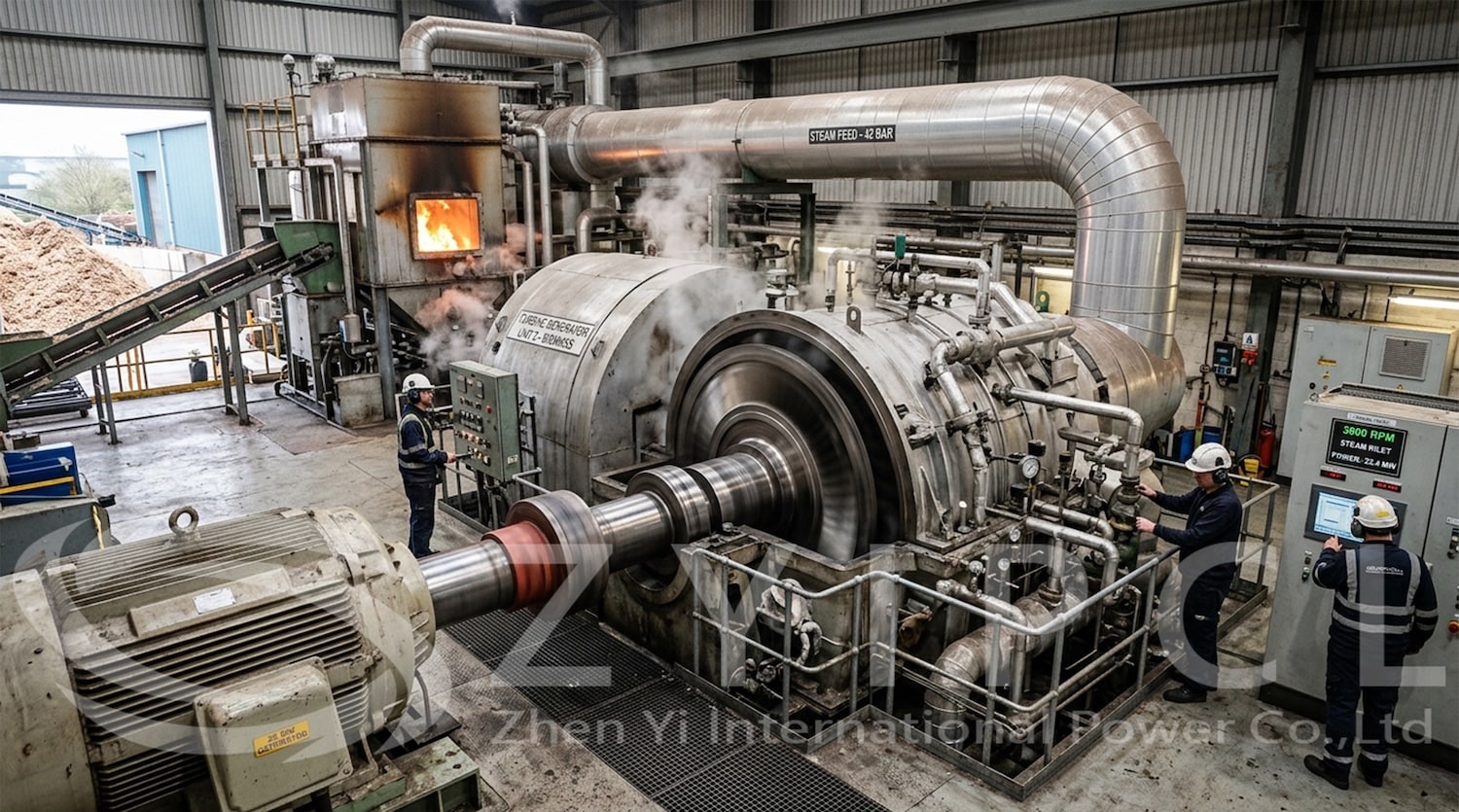
Operating Principle
Bioenergy is produced through technologies such as combustion, gasification, fermentation, and conversion processes, which transform the chemical energy stored in organic matter into usable forms such as electricity, heat, and fuel.
Typical applications include biomass power generation, biogas power generation, biodiesel, bioethanol, and combined heat and power (CHP) systems. Energy utilization efficiency can exceed 80%, offering both environmental and high-efficiency advantages.
Environmental Value
From an environmental perspective, bioenergy is a low-carbon or near carbon-neutral energy source.
During plant growth, carbon dioxide is absorbed from the atmosphere through photosynthesis. When biomass is utilized, the released carbon is approximately equal to the amount previously absorbed, forming a closed carbon cycle. Unlike coal or oil, it does not lead to additional greenhouse gas accumulation.
In addition, bioenergy helps manage agricultural residues and organic waste, enabling resource recycling and waste reduction.
Practical Applications
In practical use, bioenergy generation systems offer high operational stability and can be applied in factories, agricultural parks, power plants, hotels, and medical institutions.
They can operate in grid-connected or island mode and can be integrated with cogeneration (CHP) and waste heat recovery systems, enabling simultaneous supply of electricity, heat, hot water, and cooling, significantly improving overall energy efficiency.
With the global net-zero trend, bioenergy has become a stable, reliable, and sustainable renewable energy solution. It not only reduces dependence on fossil fuels but also helps enterprises meet environmental regulations and sustainability goals, making it a key direction for future energy development.